Skip to content

Supercycle® Growth Equity ETFs

Actively managed by operators actively building the future to capitalize on disruptive economic growth sectors. We believe they have the potential to change the way the global economy operates and the way we live our daily lives.

Explore Supercycle® ETFs

Bill of Materials Approach

Our Bill of Materials approach starts with what actually has to be built. We map the components, equipment, infrastructure, and technologies required for an investment theme to scale, then identify the companies supplying each piece.

Instead of weighting by market cap, we weight by the role each part of the buildout plays. The result is exposure designed to follow where industry CAPEX is going, not simply where market value already sits.

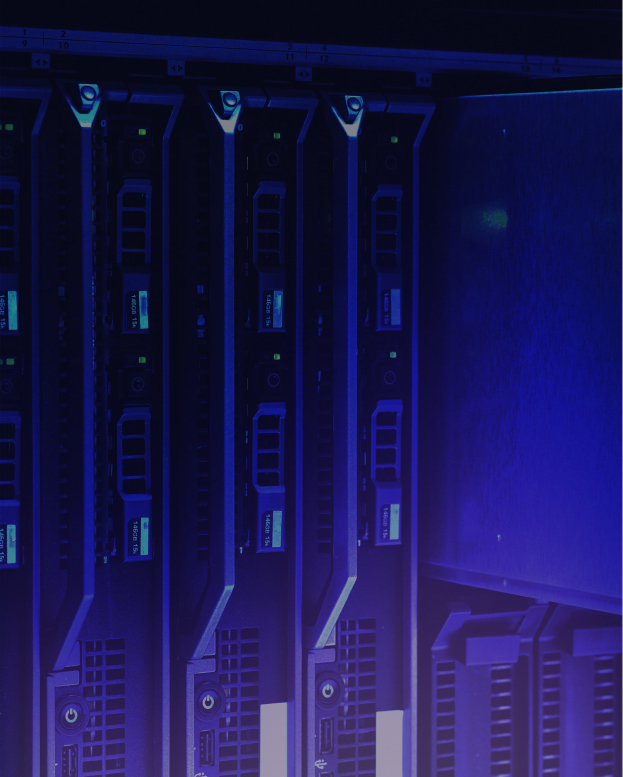
GPUs, CPUs and the server systems that house them provide the processing power to train AI models and run applications.

Memory holds the information processors need immediately, while storage retains the models, datasets and results that support AI workloads.

Switches, optical connections and cables move data between chips, servers and data centers, allowing thousands of processors to work together.

Switchgear and power supplies convert, distribute and regulate electricity, delivering reliable power from the grid to the chip.

Air and liquid cooling systems remove heat from servers, keeping equipment operating reliably as computing power increases.

Weights are illustrative and may change.

All Supercycle® Funds

AIS

Artificial Intelligence
Supercycle® ETF

Pure Exposure™ to the data center and semiconductor infrastructure powering the AI build-out.

POW

Electrification
Supercycle® ETF

The Bill of Materials behind the electrification buildout: the equipment and technologies required to generate, move, store, and manage power.

AMMO

Defense
Supercycle® ETF

The defense procurement supply chain, from sensors and missile systems to ammunitions and ground vehicles.

RTOO

Robotics
Supercycle® ETF

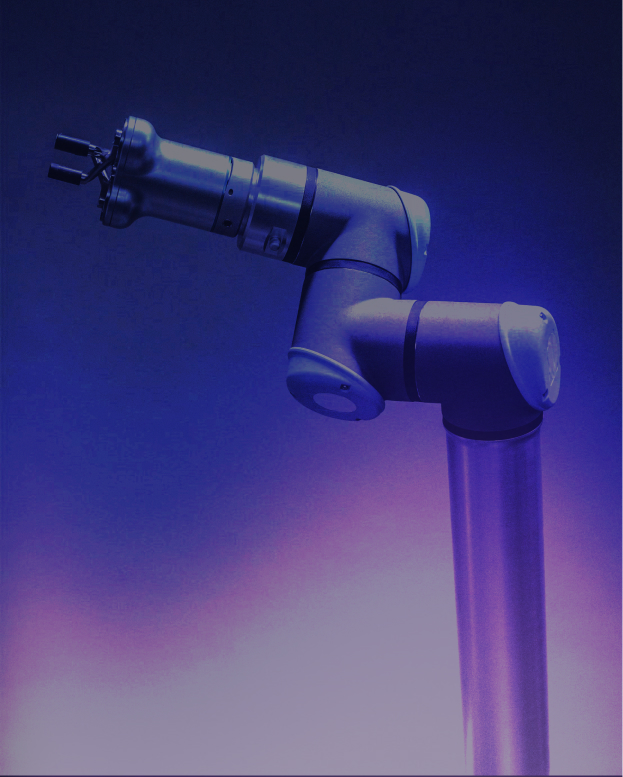
The robotics value chain, from core hardware and sensing to humanoid platforms.

GALX

Space
Supercycle® ETF

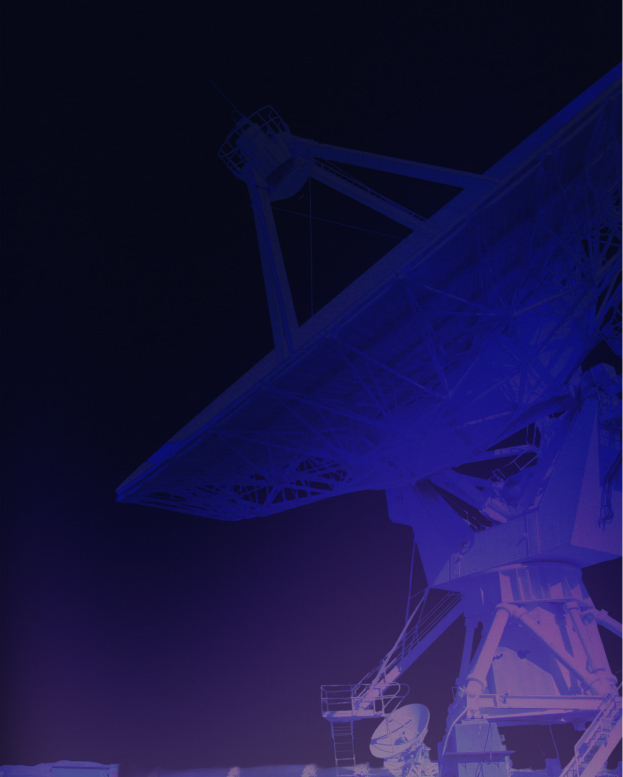
The companies that build, launch, operate, and enable the global space economy.

Harness the power of Pure Exposure™

How to Invest

FAQs

What are the VistaShares Supercycle® ETFs?

The VistaShares Supercycle® ETFs are actively managed thematic infrastructure ETFs, each built around one long-term technology trend. The family currently includes AIS (AI Infrastructure ETF), POW (AI Power Infrastructure ETF), GALX (Space Infrastructure ETF), RTOO (Robotics Infrastructure ETF) and AMMO (Defense Infrastructure ETF). Each seeks long term capital appreciation by investing in global companies across its theme's supply chain.

What is a supercycle?

VistaShares defines supercycles as long-term trends in which technological advances disrupt existing economic models. A supercycle is not a single product or a short market rally: it is a shift that can reshape how an industry produces, buys and sells over many years. Each Supercycle® ETF is built around one such trend, artificial intelligence, electrification, space, robotics or defense, and invests in the companies that supply it.

How is a supercycle different from an ordinary market cycle?

An ordinary market or business cycle describes the rise and fall of prices or economic activity over a period of time. VistaShares uses "supercycle" for something longer and structural: a technology-driven trend that disrupts existing economic models. A supercycle can still include periods of falling prices, and Supercycle® ETFs can lose value.

What is a thematic ETF?

A thematic ETF invests in companies linked to a specific long-term trend, such as artificial intelligence or space, rather than tracking a broad market index. Because they focus on one trend, thematic ETFs are usually more concentrated than broad market funds, and their returns can differ significantly from the overall market. The Supercycle® ETFs are thematic ETFs focused on the infrastructure behind each trend.

How is a thematic ETF different from a sector ETF?

A sector ETF holds companies from a standard industry classification, such as technology or industrials. A thematic ETF holds companies linked to a trend, which may span several sectors. For example, AMMO's defense supply chain includes electronics, materials and aerospace companies, and POW's electrification theme includes grid, storage and vehicle component companies.

Why are the Supercycle® ETFs called infrastructure ETFs?

Each fund focuses on the infrastructure that a trend depends on: the components, systems and services that must be built for the trend to grow. AIS covers chips, data centers and applications for AI; POW covers grids, storage and distributed power; GALX covers launch, satellites, ground systems and networks; RTOO covers robot hardware, sensing and software; and AMMO covers the defense supply chain.

How does VistaShares build Supercycle® portfolios?

VistaShares starts by analyzing each theme's supply chain to identify the companies and profit pools in each sub-industry segment with significant economic exposure to the theme. It then applies its Bill of Materials process to weight the companies contributing to each step. Each fund follows a rules-based methodology set out in its rule book, is rebalanced each June and December, and is reviewed between rebalances by the Investment Committee.

What is the Bill of Materials process?

In manufacturing, a bill of materials lists every part needed to build a product. VistaShares applies the same idea to a theme: its Bill of Materials process identifies and weights the companies contributing to each step in the production process that leads to a final product. Each Supercycle® ETF has its own Bill of Materials, from five sections for GALX to eight for RTOO, and each section is a source of holdings.

How are companies weighted in the Supercycle® ETFs?

Companies are weighted through the Bill of Materials process, according to their contribution to each step in the theme's production process, under the rules in each fund's rule book.

What is a fund rule book?

Each Supercycle® ETF has a rule book that sets out its construction methodology: how the theme is defined, how companies are identified and weighted, and how and when the portfolio is rebalanced. Each fund page links to its rule book, for example the VistaShares Artificial Intelligence Supercycle ETF (AIS) rule book.

Are the Supercycle® ETFs actively managed or index funds?

All five Supercycle® ETFs are actively managed; none is an index fund. Each follows a rules-based methodology, set out in its rule book, for identifying the companies in its theme and weighting them through the Bill of Materials process, and the Investment Committee can add or remove companies between the June and December rebalances.

What is the active risk management overlay?

The risk management overlay is the Investment Committee's ongoing review of each Supercycle® portfolio between its June and December rebalances. The committee monitors companies in each industry segment along the supply chain and may add or remove companies before the next rebalance date if it considers that necessary, for example if a company's business changes. The overlay is designed to keep the portfolio aligned with its theme; it does not eliminate risk or prevent losses.

How often are the Supercycle® ETFs rebalanced?

All five Supercycle® ETFs are rebalanced semi-annually, in June and December. Between those dates, the Investment Committee may add or remove companies through its risk management overlay.

Who oversees the Supercycle® ETFs?

The investment adviser for every Supercycle® ETF is VistaShares Advisors LLC, and the portfolios are run by the VistaShares Investment Committee. The committee combines investment research and portfolio management experience with experience building and scaling technology companies. More about the firm and its team is on the About VistaShares page.

Who advises the Investment Committee on each theme?

Industry operators advise the Investment Committee on specific themes, bringing hands-on experience in areas such as AI computing and chip supply chains, energy technology and grid batteries, satellite manufacturing, launch programs and defense manufacturing. They help the committee understand each supply chain that a Bill of Materials maps. More about them is on the About VistaShares page.

How do the five Supercycle® ETFs differ?

Each fund covers a different supply chain. AIS invests in AI semiconductors, data centers and AI-enabled applications. POW invests in electrification: energy grids, storage, distributed power and electric-vehicle components. GALX invests in launch, satellites, ground systems, space networks and space data. RTOO invests in robotics, from components and software to humanoid platforms. AMMO invests across the defense supply chain, from electronics to missiles, space and ground vehicle systems.

Can the Supercycle® ETFs hold the same companies?

Each fund has its own mandate and Bill of Materials, but some themes touch: AMMO includes defense space systems, which relate to GALX; RTOO includes defense robotics; and AIS's AI data center theme sits next to POW's AI power infrastructure theme. A company with significant exposure to more than one theme could appear in more than one fund. Each fund page lists its current holdings.

How many holdings do the Supercycle® ETFs have?

Holdings vary by fund and change as portfolios are rebalanced. AIS holds 65 to 75 companies; POW, GALX, RTOO and AMMO typically hold between 50 and 70 companies each. Each fund page lists its full holdings, updated daily. No VistaShares fund holds private companies.

What does "seeks long term capital appreciation" mean?

It means each Supercycle® ETF aims to grow in value over the long term, rather than to produce regular income. It is an objective, not a promise: the funds' values can fall, and investors can lose money.

What do the Supercycle® ETFs cost?

Each Supercycle® ETF has an expense ratio of 0.75%, as stated on the fund pages on November 12, 2026. The expense ratio is the fund's annual operating cost as a percentage of assets and is reflected in returns rather than billed separately. Brokerage commissions may apply when buying or selling shares.

Do the Supercycle® ETFs pay distributions?

Each Supercycle® ETF has an annual distribution frequency. The funds seek long term capital appreciation rather than income, so distributions are not the focus of the strategies. Any distribution amounts and dates are on each fund page.

How are Supercycle® ETFs taxed?

In general, investors in a taxable account may owe tax on fund distributions and on any gain when they sell shares. Tax treatment depends on each investor's situation; consult a tax advisor.

Are the Supercycle® ETFs diversified?

Each fund holds many companies, but each concentrates in one theme, so conditions that hurt that industry can affect the fund more than a fund spread across many industries. Discuss how a thematic fund fits your portfolio with your financial advisor. Investments involve risk, including possible loss of principal.

What are the main risks of Supercycle® ETFs?

Each Supercycle® ETF is concentrated in one theme and carries risks specific to it: AI and technology risk for AIS; grid, energy storage and electric vehicle risk for POW; launch, regulatory and government contract risk for GALX; capital spending and technology change risk for RTOO; and government budget and geopolitical risk for AMMO. All carry equity market and foreign securities risk, and several are new funds. Investments involve risk, including possible loss of principal.

Do the Supercycle® ETFs invest outside the US?

Yes. All five funds invest in global companies, so each can hold companies listed outside the United States. Non-US securities can change in value more rapidly and sharply than US securities, and foreign markets may be less developed, efficient or liquid. Investments involve risk, including possible loss of principal.

How can I buy Supercycle® ETFs?

All five Supercycle® ETFs are listed on the New York Stock Exchange (NYSE) and can be bought or sold through a brokerage account, or through a financial advisor, during market hours using their tickers: AIS, POW, GALX, RTOO and AMMO. The minimum investment is one share. Shares trade at market price, which may differ from net asset value, and brokerage commissions may apply.

Can I hold Supercycle® ETFs in an IRA?

Listed ETFs such as the Supercycle® ETFs can generally be held in brokerage IRAs and other retirement accounts, subject to the account provider's rules. Tax treatment of retirement accounts depends on the account type and your situation; consult a tax advisor.

Can investors outside the US buy Supercycle® ETFs?

Supercycle® ETFs, like all VistaShares ETFs, are US-listed. International investors should check with their local broker whether they can buy them.

How can I contact VistaShares about the Supercycle® ETFs?

For fund information, call (844) 875-2288. Each fund page links the prospectus, summary prospectus, statement of additional information (SAI), shareholder reports and the fund's rule book, and shows current figures with their as-of dates. Foreside Fund Services, LLC is the distributor.